
.png)
Caregiving is a reality millions of employees navigate daily. In Australia, around 3 million people (11.9% of the population) provide informal care, and 57% of carers are employed or actively looking for work*.Behind those numbers are employees quietly juggling school pick-ups, medical appointments, and difficult family decisions alongside their careers.
For the sandwich generation - those raising children while supporting ageing parents - the pressure is doubled. And as caregiving demands grow, organisations can no longer afford to overlook the impact. People leaders who recognise hidden caregiving needs and respond with meaningful support help their employees thrive both at work and at home.
The caregiving conundrum: balancing child care, eldercare and work
The scale is significant. The Australian Bureau of Statistics counts approximately 398,000 primary carers supporting someone aged 65 or older,* and as the population ages, that number will only grow. For sandwiched employees, the maths is confronting: recent research found carers spend an average of 14.5 hours per week caring for ageing parents and a further 15.2 hours supporting children or grandchildren - leaving less than 10 hours a week for their own personal care.~
The wellbeing toll follows. According to the 2025 Carer Wellbeing Survey, only 38.9% of carers report healthy wellbeing, while around one-third experience high psychological distress - pressures that compound for those caring across two generations at once.
And there is a hidden cost that rarely makes it into the statistics: the search itself. Finding the right care - understanding aged care assessments, comparing providers, navigating funding, making decisions under pressure - consumes hours of research and mental load, often during work hours, often in a crisis. For many employees, working out how to arrange care is as draining as providing it.
The hidden drain on your workforce and bottom line
Employees facing these pressures often stay silent, fearing judgment or career setbacks. When people aren't comfortable speaking up, the signs surface indirectly: increased absenteeism, declining productivity, withdrawal from career development opportunities, isolation from colleagues, and deteriorating emotional health.
The impact extends well beyond the individual. With more than half of Australian carers remaining in or seeking paid work while providing care, unsupported caregiving contributes to absenteeism, reduced productivity, and turnover - and with it, the loss of experienced people and the cost of replacing them.
The good news? Employers who proactively recognise and support caregiving challenges can foster a healthier, more engaged workforce while protecting their bottom line.
Supporting the sandwich generation: 4 ways People Leaders can step up
Balancing child care and elder care is no small feat for sandwiched employees, but the right workplace support can make all the difference. Here are four ways People leaders can step up:
- Start the conversation: Encourage open dialogue so caregiving challenges can be raised without stigma, and listen for what support would genuinely help.
- Embrace workplace flexibility: Flexible hours, remote work, and job-sharing empower employees to manage caregiving without derailing their careers.
- Offer caregiving support services: The hardest part of caregiving is often knowing where to start. Access to expert advisory support - someone who understands the aged care system, can assess a family's situation, and can guide them to the right options - gives employees back the hours and headspace otherwise lost to research, phone calls, and worry.
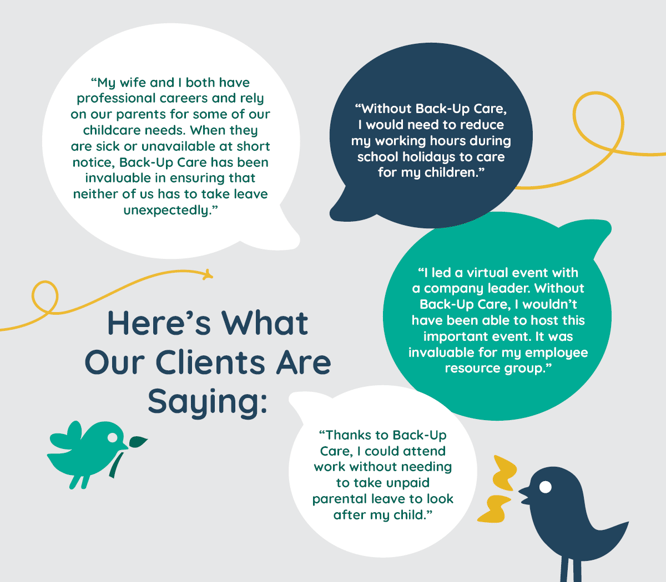
- Provide reliable back-up care: Trusted care solutions for both children and ageing family members ease the burden when regular arrangements fall through - protecting employees' peace of mind and your business continuity alike.
Supporting families across every life stage
The growing demands of the sandwich generation are reshaping what employees need from their employers. Care responsibilities no longer begin and end with young children - they span every stage of family life.
That's why we've extended our offering in Australia, growing our network of trusted specialist partners to meet the diverse needs of employees and their families across all life stages. The latest addition is Care Advisory for Aged Care, now available as part of the Bright Horizons Australia Work + Family Solutions benefit.
Delivered through our specialist care advisory partner, this service connects your employees with experts who help them understand the aged care system, assess their family's needs, and find the right care options - replacing hours of stressful research with clear, personalised guidance. For your people, that means less time searching and worrying, and more time for work, family, and themselves. For your organisation, it means a workforce that feels genuinely supported through some of life's most demanding moments.
Contact us to learn how Bright Horizons Australia – Work + Family Solutions can support your employees across every life stage and help your workforce thrive.
~ The Sandwich Generation in Australia | Australian Seniors | Australian Seniors